Portal for public-private partnerships in Angola.
Portal for public-private partnerships in Angola.
See the projects already under development
Conceptual notes can be submitted by public entities, as well as private entities, wishing to initiate an unsolicited proposal process.
If you belong to a public entity, you can also make this submission using the SOURCE platform
Log in and submit your conceptual note.
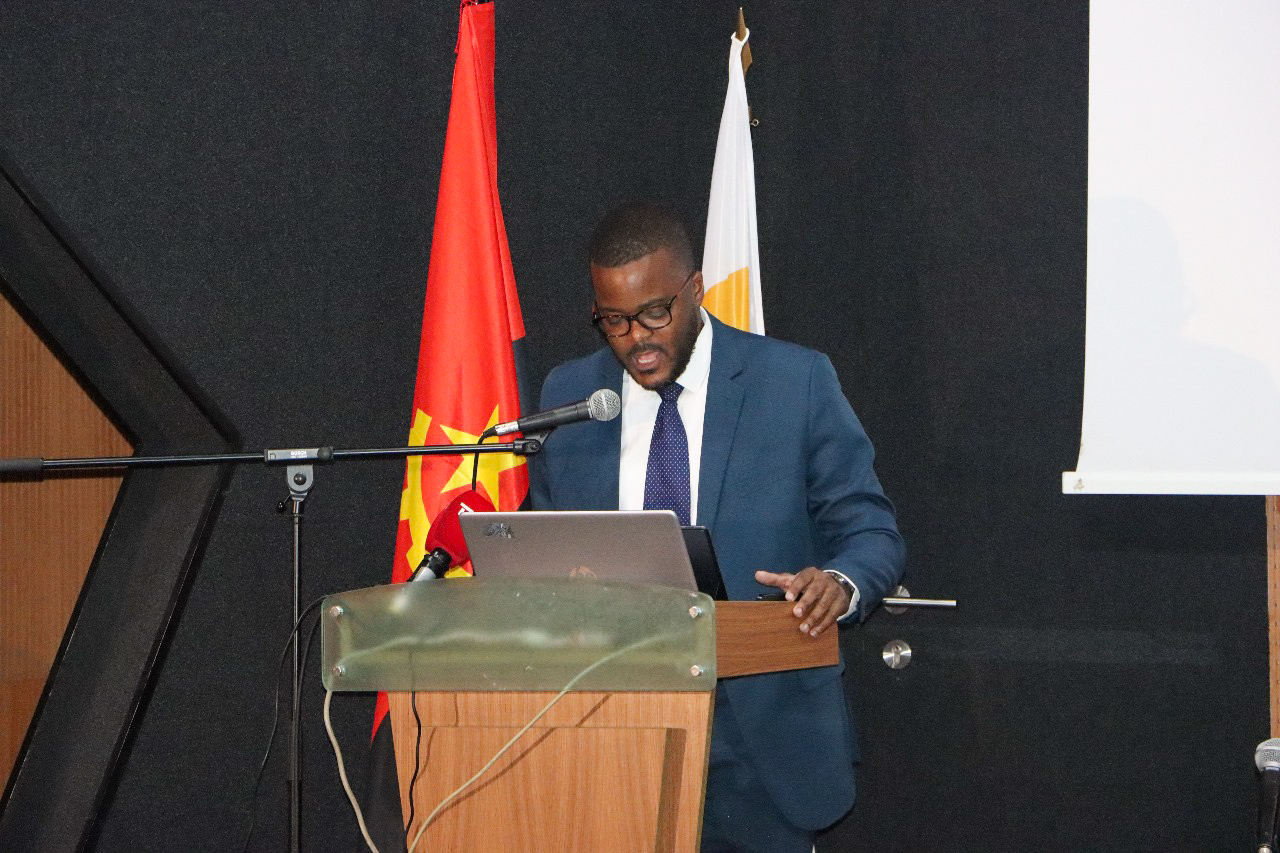
On Monday 27th, in Luanda, the auditorium of the National Statistics Institute (INE) hosted the…
Read more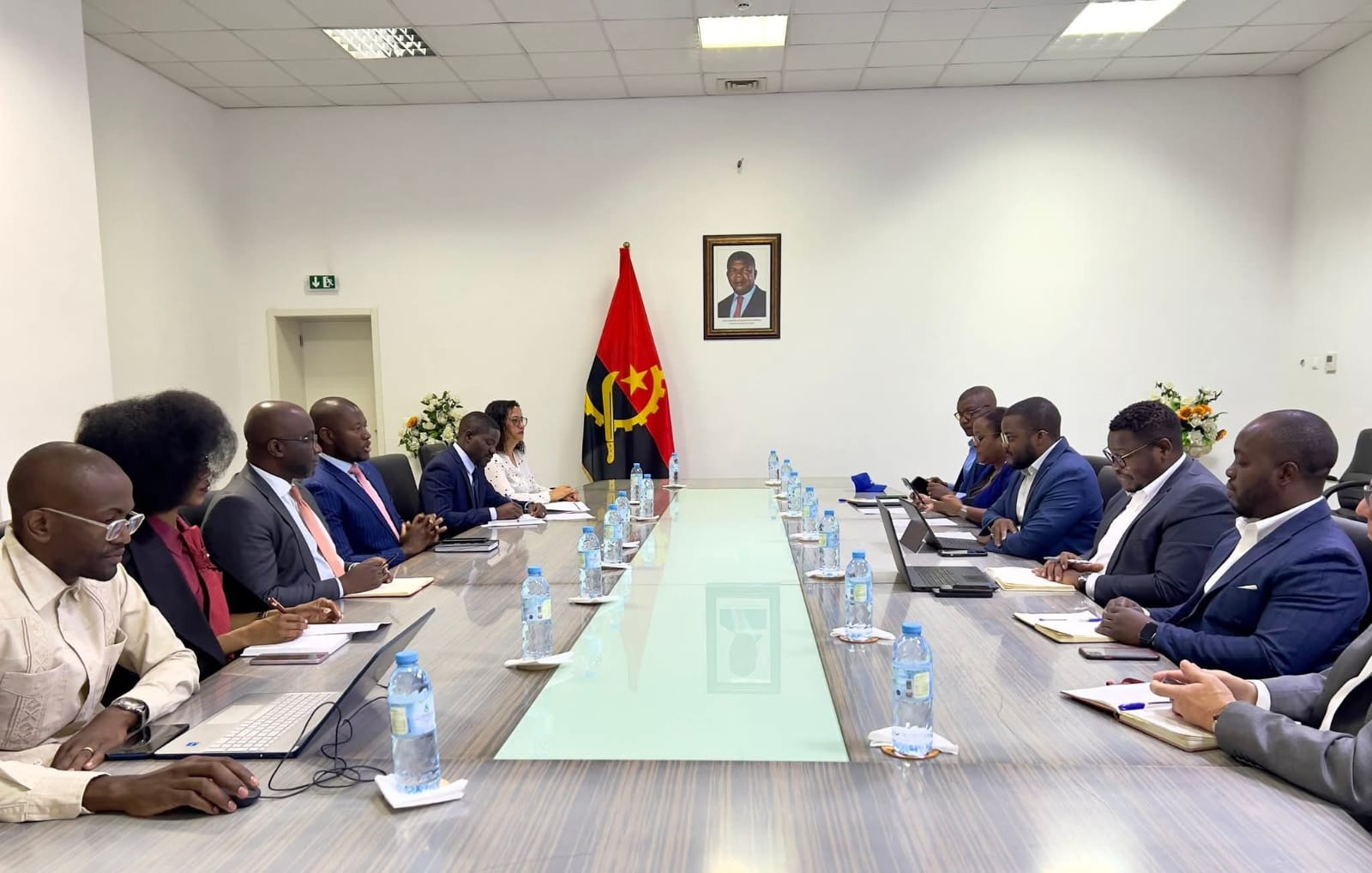
The deputy governor for the Political, Social and Economic sector, Angelino Elavoco, received a delegation…
Read more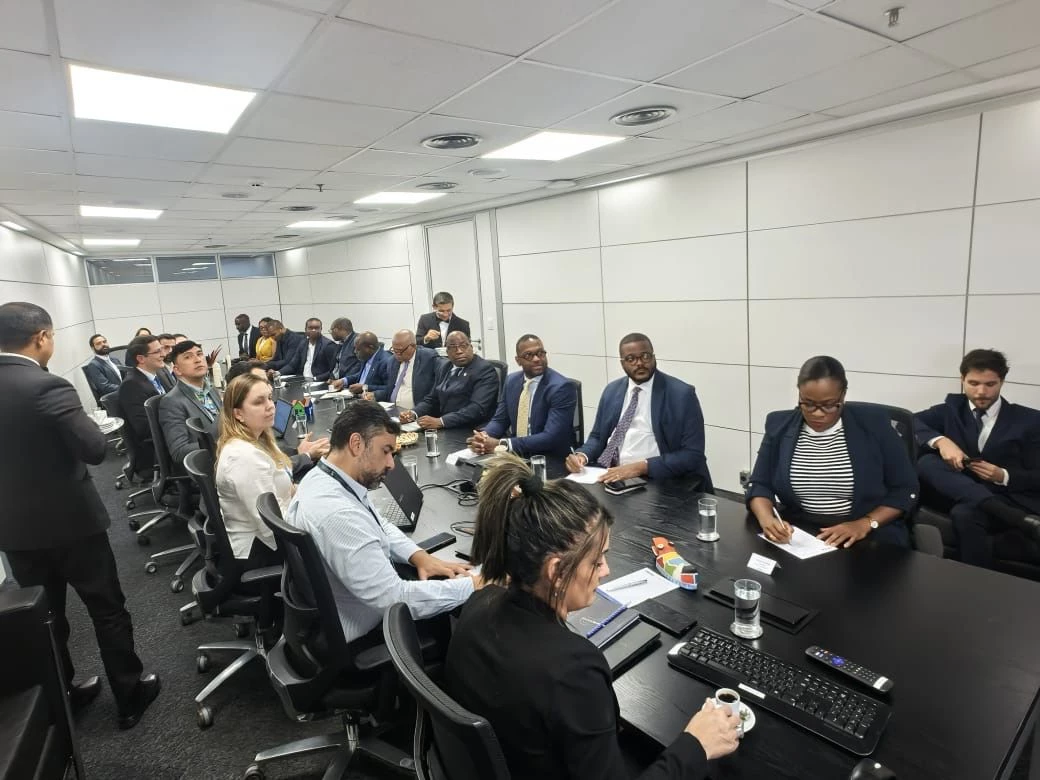
Brazil's Ministry of Integration and Regional Development (MIDR) and institutions from that country shared governance,…
Read moreFind videos, documents and training tools on public-private partnerships.
















A Public-Private Partnership (PPP) is a legal relationship constituted by a contract or a combination of contracts, whereby legal persons or private entities, known as private partners, undertake, on a lasting basis, to a public partner, for a consideration, to ensure the development of an activity aimed at satisfying a collective need in which the responsibility for financing, investment, operation and associated risks lies, in whole or in part, with the private partner.
Greenfield PPPs involve the construction of new assets. They refer to projects started from scratch, in undeveloped areas or without existing buildings. Brownfield PPPs are used to transfer responsibility for the modernization and management of existing assets to a private company, i.e. they refer to projects carried out in already developed areas, with existing infrastructure or old facilities.
Under Law 11/19, the types of contracts compatible with the Public-Private Partnership (PPP) regime are:
– Public works concessions
– Public service operating concessions
– Purchase of services
– Management
This presupposes that different PPP models can be followed, such as:
Design-Build-Finance-Operate-Maintain (DBFOM)
Design-Build-Finance-Operate (DBFO);
Design-Construct Manage-Finance (DCMF)
Build-Operate-Transfer (BOT)
Build-Own-Operate-Transfer (BOOT)
Build-Transfer-Operate (BTO)
Rehabilitate-Operate-Transfer (ROT)
Concession
Operations and Maintenance (O&M)
Private Finance Initiative, or PFI.
The advantages of contracting in the form of a PPP may include:
No.
A PPP does not mean the sale of state assets, but rather a model of contractual collaboration between the public and private sectors for the development of infrastructures or the provision of public services. In a PPP, the state retains ownership of the asset or service, while the private partner assumes responsibility for financing, construction, operation and/or maintenance, in return for a contractual fee.
Privatization, on the other hand, is the definitive transfer of assets or responsibilities from the state to the private sector.
The process of developing a PPP follows four main phases:
1. Identification and Framework – Identification and strategic framework of potential projects and preliminary assessment and justification of the option for the PPP model;
2. Evaluation and Structuring of the PPP (Feasibility) – Technical, financial and legal studies to define the optimal structure of the project;
3. Tender and Award – Launch and conduct of the tender procedure to select the private partner;
4. Contract Management – Follow-up, monitoring and evaluation of contract execution throughout the life of the PPP.
For more information on each of these stages of the PPP process, please consult the Manual of Procedures
The PPP process begins with the submission of a Conceptual Note / PPP proposal submission form by the proposing entity to the DNPPP.
However, the formalization and start of a PPP project itself occurs with the submission of a Reasoned Proposal, accompanied by the respective pre-feasibility studies, which allow the Proponent Entity to demonstrate the suitability and relevance of the project.
The body in charge is the Public-Private Partnership Governance Body (OGP), which is responsible for approving and taking the final decision on PPP contracts.
As a general rule, the private partner is selected by public tender, ensuring the principles of transparency and competition.
In the case of Unsolicited Proposals (USP), the private partner can be the project promoter itself, after the tendering phase.
To ensure some fairness in the process, there are mechanisms to protect private initiative, such as:
– Bonus mechanisms in the evaluation
– Automatic qualification of the bidder
– Matching right in the case of competing bids